
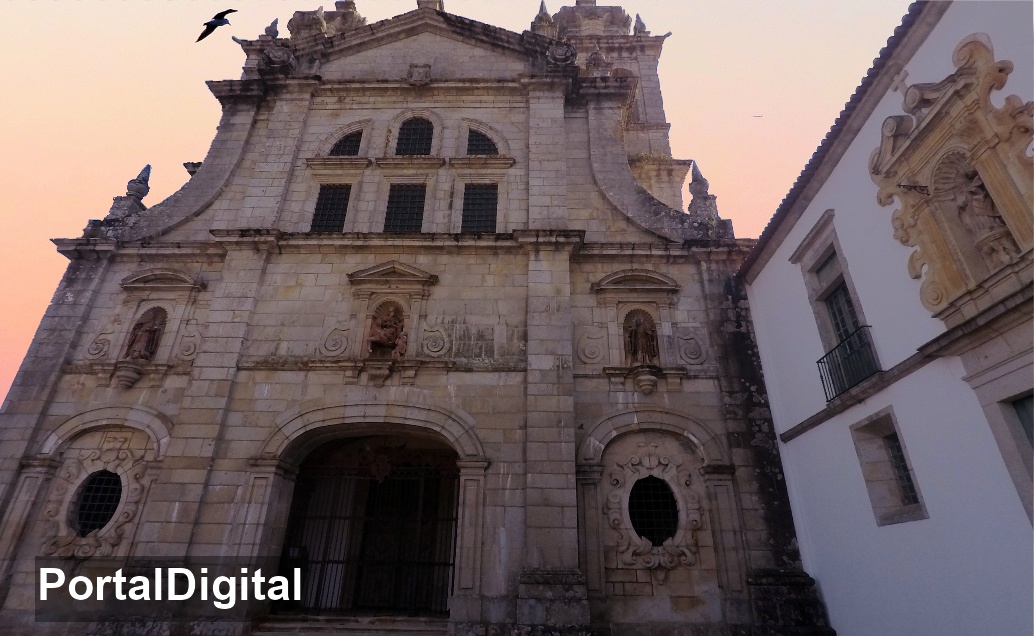
Tibães Monastery, in the parish of Mire de Tibães, Municipality of Braga
The Hospedaria Convento de Tibães is located in the Monastery of Tibães, Rua do Mosteiro, in the parish of Mire de Tibães, Municipality of Braga, Northern Portugal.
The History of the Tibães Monastery
About 6 km northwest of the city of Braga, on the left bank of the Cávado river we find the Benedictine Monastery of Tibães, and its foundation is due to São Martinho de Dume in the 16th century. VI during the Suebic reign of Theodomiro.
In 1080, the reconstruction and foundation of the Tibães Convent was due to D. Paio Guterres da Silva.
From 1569 onwards, with the takeover of the Tibães Monastery by Friar Pedro de Chaves, this convent became the Motherhouse of all Benedictine monasteries.
In the first half of the 17th century, a major campaign to modify and expand the monastery began, resulting in the complex that exists today.
At the beginning of the works, the Mannerist trend followed, but the Baroque and Rococo triumphed in the changes carried out at the end of the 17th century and throughout the 18th century, and which would only end at the beginning of the 19th century.
The Tibães Monastery is considered one of the grandest temples in Portugal and a masterpiece of the Baroque art museum in Braga, and its entire architectural complex is classified as a National Monument.
On the walls of their gardens, the monks cultivated medicinal herbs, and later invented the Benedictine liqueur, that is, wine was always a drink allowed to the Benedictines that went well with their simple meals consisting essentially of bread, eggs, cheese and fish.
Although meat was prohibited in the first centuries, years later some abbeys began to adopt and consume poultry and game birds, that is, the Rule of St. Benedict managed to achieve a certain balance between asceticism and pleasure.
In 1080, the reconstruction and foundation of the Tibães Convent was due to D. Paio Guterres da Silva.
From 1569 onwards, with the takeover of the Tibães Monastery by Friar Pedro de Chaves, this convent became the Motherhouse of all Benedictine monasteries.
In the first half of the 17th century, a major campaign to modify and expand the monastery began, resulting in the complex that exists today.
At the beginning of the works, the Mannerist trend followed, but the Baroque and Rococo triumphed in the changes carried out at the end of the 17th century and throughout the 18th century, and which would only end at the beginning of the 19th century.
The Tibães Monastery is considered one of the grandest temples in Portugal and a masterpiece of the Baroque art museum in Braga, and its entire architectural complex is classified as a National Monument.
On the walls of their gardens, the monks cultivated medicinal herbs, and later invented the Benedictine liqueur, that is, wine was always a drink allowed to the Benedictines that went well with their simple meals consisting essentially of bread, eggs, cheese and fish.
Although meat was prohibited in the first centuries, years later some abbeys began to adopt and consume poultry and game birds, that is, the Rule of St. Benedict managed to achieve a certain balance between asceticism and pleasure.
The Characteristics of the Tibaes Convent Guesthouse
The Convento de Tibães Hospedaria has rooms, private bathrooms, a conference room and free guided tour upon prior appointment, a large space where you can go hiking and enjoy a landscape rich in bush, vegetation, ancient trees and various species of plants.